Table of contents

Operating heavy machinery at sea is one of the most demanding engineering challenges in the world. The constant exposure to saltwater, extreme dynamic loads, and the unpredictable pitch and roll of a vessel mean that standard industrial components simply will not survive.
At the heart of every offshore lifting system is the rotational joint. If this component fails, operations halt, and safety is severely compromised. Therefore, finding the right supplier slewing bearing for marine crane equipment is not just a procurement task—it is a critical safety and engineering decision.
In this guide, we will explore what makes marine-grade bearings unique, the certifications you must look for, and how to evaluate a marine crane slewing ring manufacturer before signing a contract.
Why Marine Grade Slewing Bearings are Different
A standard land-based excavator bearing operates in a relatively stable environment. In contrast, an offshore crane slewing bearing must combat a unique set of hostile elements:
1. Saltwater Corrosion and Ingress
The highly corrosive nature of saltwater and sea spray can destroy untreated steel in a matter of months. A true marine grade slewing bearing requires specialized surface treatments. When evaluating a supplier, ask if they provide:
- Zinc-spray or Epoxy Coatings: To protect the external surfaces from rust.
- Marine-Grade Rubber Seals: Custom double-lip NBR or Viton seals to prevent saltwater from breaching the raceway.
- Corrosion-Resistant Grease: Specialized lubricants that will not emulsify or wash away when exposed to heavy rain or waves.
2. High Dynamic and Overturning Loads
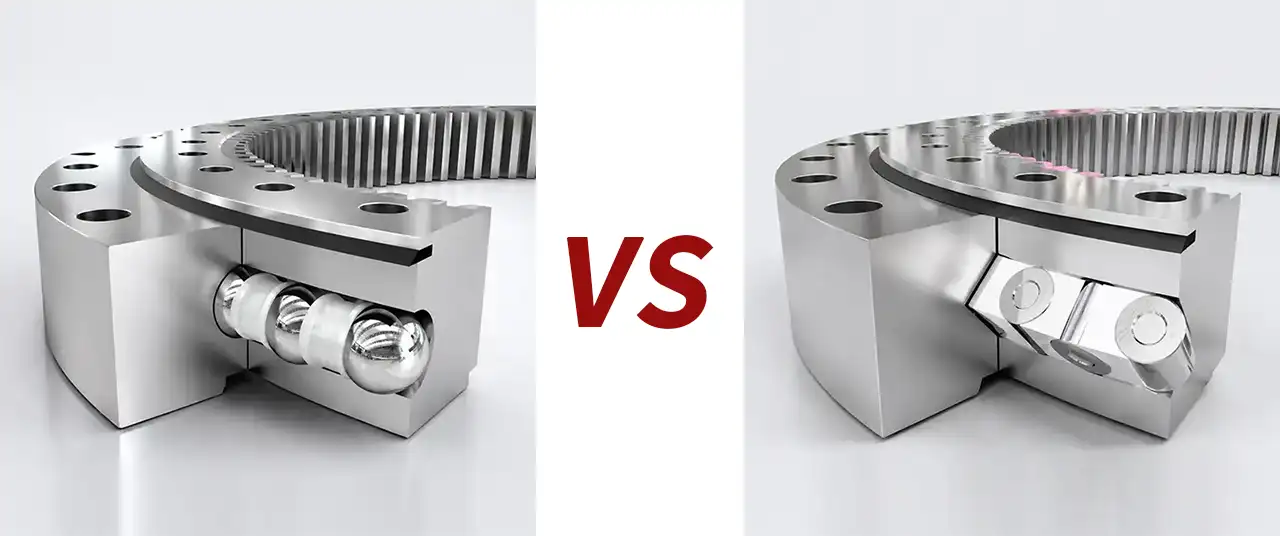
Unlike a stationary tower crane, a marine crane lifts loads while the deck beneath it is actively moving. This creates massive, unpredictable overturning moments. A reliable supplier will use advanced finite element analysis (FEA) to engineer a bearing—often a massive three-row roller design—capable of withstanding these severe dynamic shock loads.
Key Factors When Choosing a Marine Crane Slewing Ring Manufacturer
When vetting a supplier slewing bearing for marine crane applications, you must look beyond the price tag. Here are the top three factors that separate reputable manufacturers from the rest:
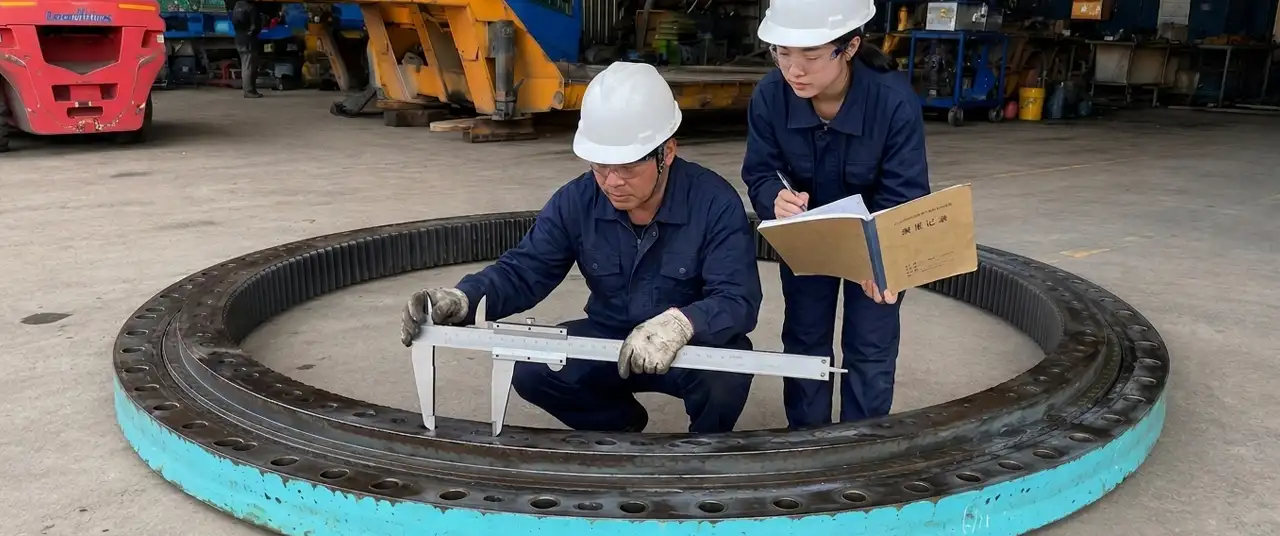
- Forging Quality and Materials: The bearing must be forged from high-purity steel (such as 42CrMo or 50Mn). The supplier should provide full material traceability reports and ultrasonic testing records to prove there are no internal micro-cracks in the steel.
- Marine Class Society Certifications: This is non-negotiable in the maritime industry. Your supplier must be able to manufacture and test the bearing to meet the strict standards of international classification societies such as DNV (Det Norske Veritas), ABS (American Bureau of Shipping), or LR (Lloyd’s Register).
- Custom Engineering Capabilities: No two vessels are exactly alike. Whether you are replacing a worn-out slewing ring for a deck crane or designing a brand-new subsea knuckle boom crane, the supplier must have an in-house engineering team capable of customizing the gear module, bolt hole patterns, and internal clearances to your exact specifications.
The True Cost of Downtime: Replacement and Maintenance
Replacing a slewing ring on a vessel is a logistical nightmare. It often requires the ship to return to drydock, heavy lift equipment to remove the crane housing, and weeks of lost charter revenue.
Because of this, the initial cost of the bearing is negligible compared to the cost of a premature failure. A premium anti-corrosion slewing ring might cost 20% more upfront, but it can easily extend the operational life of your crane by a decade.
Always ensure your chosen supplier offers comprehensive after-sales support, including installation guidelines, bolt torque specifications, and long-term lubrication schedules.
Conclusion
Choosing the right supplier slewing bearing for marine crane operations is a vital investment in your vessel’s productivity and safety. By insisting on marine-grade anti-corrosion treatments, rigorous material testing, and official class society certifications, you can confidently navigate the harsh realities of the offshore environment.
Do not compromise on your vessel’s most critical structural joint. Take the time to vet your manufacturer, demand engineering transparency, and secure a bearing built to conquer the sea.