When you watch an excavator pivot effortlessly on a construction site, you are witnessing a marvel of mechanical engineering. The ability to rotate a full 360 degrees while carrying tons of earth is exactly what makes these machines so incredibly versatile.
But how does excavator slew work behind the scenes? In this comprehensive guide, we will break down the mechanics, the critical components, and the engineering principles that make this massive rotation possible.
The Core Components of the Slew System
To understand the rotational mechanics, you first need to identify the key parts involved. The slew mechanism acts as the critical bridge connecting the stationary undercarriage (the tracks) to the rotating superstructure (the cab, engine, and boom).
The system relies on three main components:
-
Hydraulic Slew Motor: The powerhouse of the system, converting fluid pressure into rotational force.
-
Planetary Gearbox: A robust gear reduction unit that decreases the motor’s high speed to generate massive torque.
-
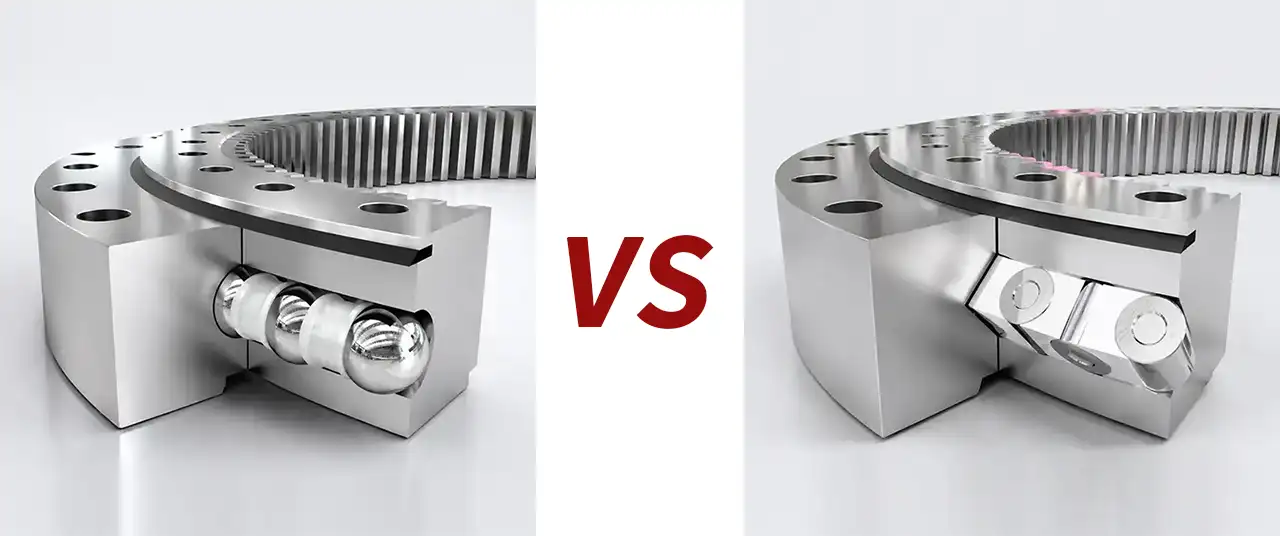
Slewing Bearing: The heavy-duty rotational ring that physically supports the machine’s weight and facilitates smooth movement.
Step-by-Step: How Does Excavator Slew Work?
The entire rotation process relies on a seamless conversion of hydraulic power into mechanical movement. Here is exactly how it happens from the moment the operator moves the joystick:
1. Hydraulic Fluid Activation
When the operator pushes the slew control in the cab, a specific directional valve opens. This action sends highly pressurized hydraulic fluid from the excavator’s main pump directly into the hydraulic slew motor.
2. Generating Massive Torque
The rush of hydraulic fluid forces the internal components of the slew motor to spin. However, this initial spin is far too fast and lacks the necessary power to move a 20-ton machine. The motor immediately transfers this kinetic energy into a planetary gearbox. The gearbox acts as a multiplier, drastically reducing the speed of rotation while creating the immense torque needed to overcome the machine’s inertia.
3. Engaging the Slewing Bearing
The output shaft of the gearbox features a small, heavily reinforced pinion gear. This pinion gear perfectly meshes with the teeth of the giant slewing bearing. Because one ring of the bearing is bolted tightly to the stationary tracks and the other ring is bolted to the cab, the turning pinion “walks” along the gear teeth. This action pulls the entire upper structure in a smooth, continuous circle.
The Importance of Quality Manufacturing
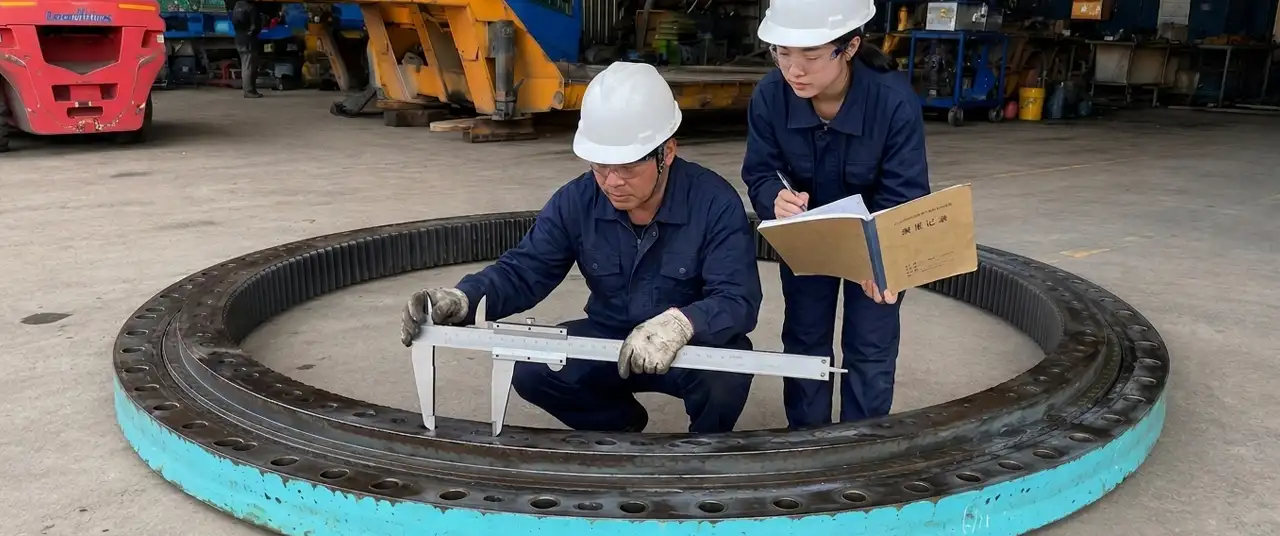
Because the entire upper weight of the excavator—plus the weight of its loaded bucket—rests on this single rotational joint, precision is absolutely critical. High-quality manufacturing prevents catastrophic failure and ensures operational safety on the job site.
When specifying parts for heavy machinery, engineers often look to trusted industrial brands like FDON. Utilizing premium forged steel, advanced raceway hardening, and precise gear teeth cutting ensures that the bearing can withstand extreme axial loads and harsh tilting moments without suffering premature wear.
Essential Maintenance for Slew Systems
A complete slew drive assembly is one of the most expensive parts of an excavator to replace. Therefore, preventative maintenance is vital to avoid costly downtime.
-
Grease the Bearing: Apply heavy-duty lithium grease to the bearing raceways according to the manufacturer’s service manual to reduce internal friction.
-
Maintain the Gearbox: Regularly drain and replace the gear oil in the planetary gearbox to prevent the buildup of destructive metal shavings.
-
Inspect Bolt Tension: The massive structural bolts securing the bearing experience extreme stress. You must regularly torque them to exact specifications to maintain structural integrity.
Conclusion
Understanding how does excavator slew work helps operators, engineers, and fleet managers appreciate the complex forces at play beneath their feet. By combining pressurized hydraulic power, geared torque, and a high-performance slewing bearing, excavators can perform heavy lifting with pinpoint accuracy. Commit to regular maintenance and insist on premium replacement parts to guarantee your machinery runs smoothly for years to come.