Table of contents
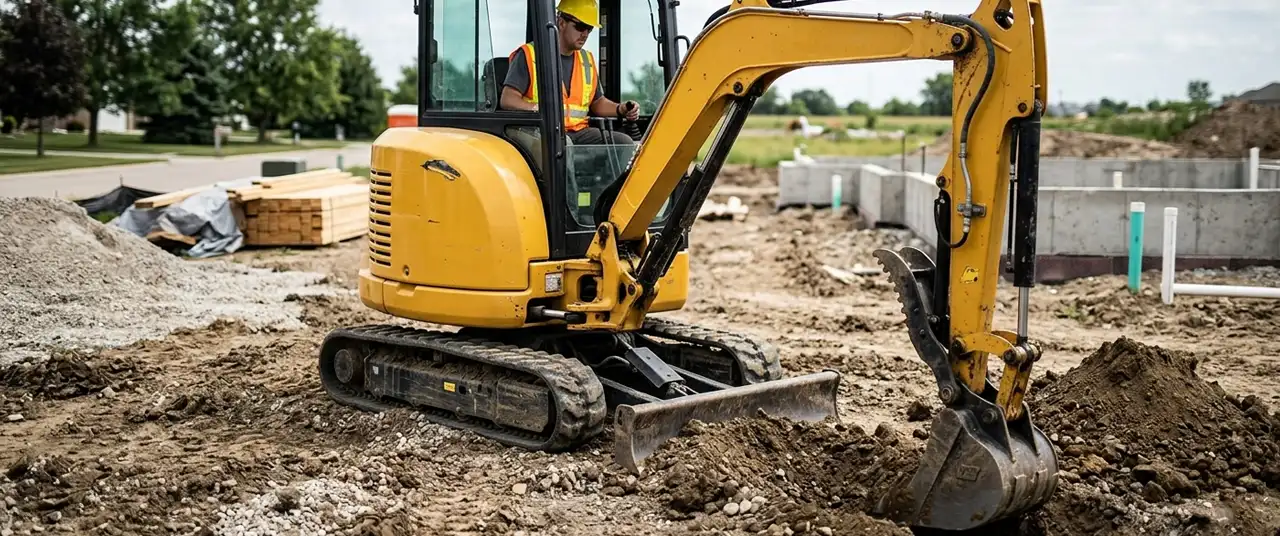
Whether you are digging a trench, loading a dump truck, or clearing debris, your compact excavator relies heavily on its ability to rotate smoothly. The mechanical heart of this 360-degree rotation is a single, heavy-duty component: the mini excavator slewing ring.
Often referred to as the excavator turntable bearing, this part connects the upper structure (the house) to the lower undercarriage. Because it bears the entire weight of the machine’s upper half while absorbing the shock of digging, it requires careful attention.
In this comprehensive guide, we will cover how to maintain your bearing, identify signs of failure, and what to expect when it is time for a replacement.
What Causes Mini Excavator Swing Bearing Play?
Over time, the extreme stress of digging and swinging will naturally wear down the internal steel balls and raceways of your bearing. When this happens, you will start to notice mini excavator swing bearing play—a condition where the upper cab rocks or tilts excessively.
Common signs that your slewing ring is failing include:
- Excessive Rocking: If the cab tilts forward or backward significantly when you apply down-pressure to the bucket.
- Popping or Grinding Noises: A healthy bearing should swing quietly. Cracking, popping, or grinding sounds indicate broken teeth or damaged internal rollers.
- Jerky Rotation: If the swing motion feels stiff or stutters instead of gliding smoothly, the bearing is likely binding due to metal fatigue or lack of lubrication.
Metal in the Grease: If you purge the old grease and notice shiny metal flakes, catastrophic internal wear has already occurred.
How to Grease a Mini Excavator Slewing Ring
The number one cause of premature bearing failure is improper lubrication. Learning how to grease a mini excavator slewing ring correctly is the easiest way to save thousands of dollars in repair bills.
Here is the best-practice method for greasing your machine:
- Use the Right Grease: Always use a high-quality Extreme Pressure (EP) lithium-based grease, usually NLGI Grade 2, as recommended by your manufacturer.
- Grease the Pinion and Gear Teeth: Apply grease directly to the gear teeth. Rotate the machine a few degrees, apply more grease, and repeat until you have completed a full 360-degree rotation.
- Grease the Internal Raceway: Locate the grease zerks for the swing bearing (usually found on the lower front of the cab). Pump grease into the fittings while slowly rotating the machine. Continue until you see a small amount of fresh, clean grease purging out from the rubber seals.
- Follow the Schedule: For standard operations, grease the bearing every 50 working hours. In extremely dusty, wet, or muddy conditions, you should grease it daily.
Mini Excavator Slewing Ring Price & Replacement Costs
If your bearing has reached the end of its life, you are likely wondering about the financial impact. The mini excavator slewing ring price varies depending on the make, model, and operating weight of your machine.
- Aftermarket Bearings: For a typical 1.5-ton to 3-ton mini excavator, an aftermarket slewing ring will generally cost between $400 and $1,200.
- OEM Bearings: Buying directly from the original manufacturer (like Kubota, Bobcat, or Caterpillar) will usually cost between $1,500 and $3,500.
The Cost of Labor
Keep in mind that the part itself is only half the equation. A mini excavator swing bearing replacement is a massive job that requires splitting the machine in half. You must disconnect the hydraulic swivel joint, unbolt the cab, and use a hoist or another excavator to lift the upper structure off the undercarriage.
If you hire a heavy equipment mechanic to do the job, expect to pay for 8 to 15 hours of labor, which can easily add an additional $1,000 to $2,500 to your total bill.
Conclusion
Your mini excavator slewing ring is an incredibly durable component, but it is not invincible. By adhering to a strict greasing schedule and keeping a close eye on any excessive cab movement or strange noises, you can maximize the lifespan of your machine.
If you suspect your swing bearing is failing, do not ignore it! Running a machine with a severely damaged bearing can lead to broken pinion gears, damaged hydraulic center joints, and severe safety hazards on the job site. Consult your service manual or a professional mechanic to plan your replacement as soon as possible.